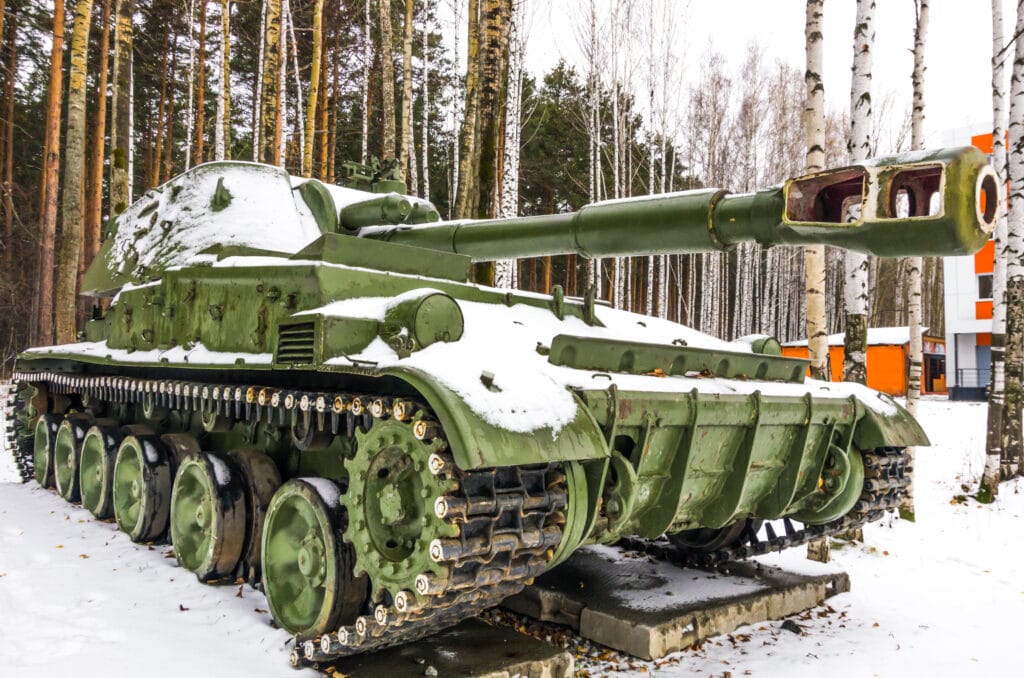
After more than three years, the war in Ukraine continues to have a significant impact on global financial markets, commodity prices, and the investment behavior of households and institutions. Investors are therefore closely monitoring any signs of a possible move towards peace. This is not just a matter of geopolitics, but also has a direct impact on stocks, currencies, bonds, gold, and oil. Expectations of a change in the scenario have become one of the key drivers of market sentiment in Europe in recent weeks.
Putin Claims he is Ready
In his latest public appearance, Russian President Vladimir Putin reiterated that Russia is ready to negotiate a peaceful solution to the conflict. At the same time, however, he made it clear that Moscow does not intend to back down from its basic conditions. According to him, the responsibility for the next step lies with Ukraine and its European allies. He also accused the European Union of attempting “daylight robbery” in connection with debates on the use of frozen Russian assets.
Even before Putin’s speech, EU leaders agreed that the Union would borrow €90 billion to finance Ukraine’s defense over the next two years. These funds are to be provided in the form of an interest-free loan, with the Czechia, Hungary, and Slovakia not supporting the guarantees. The rest of the Union is continuing to prepare a reparations loan mechanism covered by the proceeds from frozen Russian assets. This sends a clear signal to the markets that Europe is expecting a longer period of tension, even though the political rhetoric is focused on peace.
Still Worth Investing in the Arms Industry?
The question of the arms sector’s future potential is crucial for investors. European governments are massively increasing their defense budgets, and this trend will not end even in the event of a ceasefire. Restocking, modernizing armies, and fulfilling NATO commitments will take place over a number of years. Shares in defense industry companies therefore remain structurally supported, although in the short term they may react to any news of negotiations with a correction.
European stock markets are currently rising slightly thanks to speculation about a possible easing of the conflict. Approximately 74% of companies in the Stoxx 600 index have already published their results, and the same proportion exceeded market expectations. Non-energy profits rose 7% year-on-year and were 8% higher than analysts had predicted. This shows that the European economy has adapted better to the war environment than originally expected.
Investing in Peace
However, true peace would open up entirely new investment opportunities. The reconstruction of Ukraine’s destroyed infrastructure would mean huge contracts for construction companies, building material manufacturers, the energy sector, and the banking sector. Agriculture would also play an important role. Ukraine is a key exporter of grain and oilseeds, and the return of stable supplies would have a positive impact on food prices and inflation in Europe.
Developments in the oil market are also crucial. The price of Brent crude is currently around $69 per barrel, with the market factoring in the risk of further pressure on Russian exports. Approximately 70% of Russian oil goes to India, and according to some estimates, any restriction on these flows could drive the price up to $130 per barrel. This would mean a new inflation shock and a return of investors to gold, which is currently undergoing a stronger correction.
Investors therefore cannot ignore information about the development of the conflict. Peace would not be the end of investment opportunities, but their transformation. Those who are able to move capital in time from sectors benefiting from the war to areas associated with recovery and stabilization could profit significantly in the coming years. This is precisely where the key value of strategic investment advice lies.